
 by
by In the realm of young adult literature, few series tackle the gritty realities of teenage life as directly as Stacy Padula’s “The Gripped Book Series.” This collection of novels stands out not just for its engaging storytelling but for its profound educational impact on issues surrounding substance abuse among teenagers.
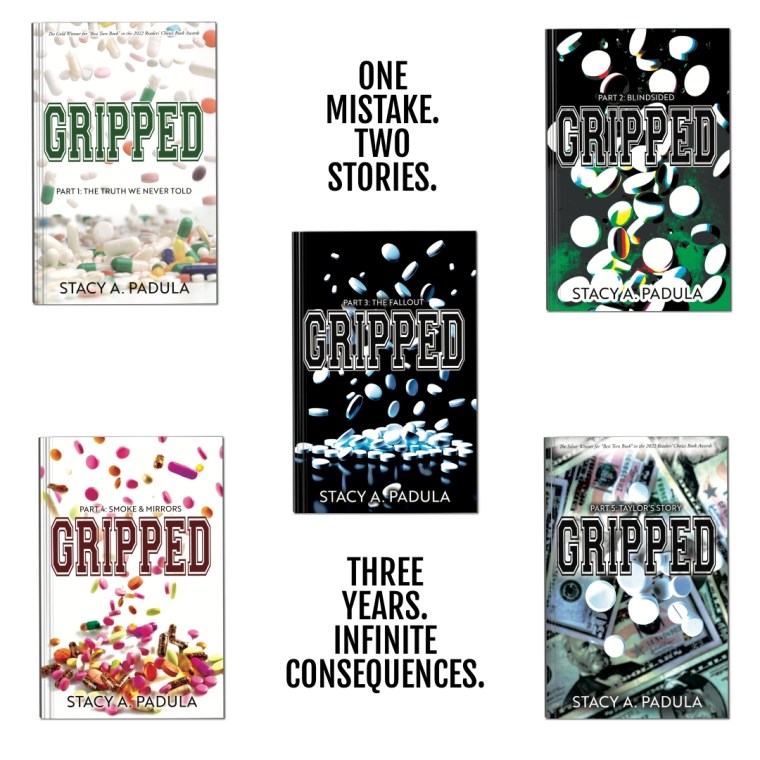
The Story Behind The Gripped Series
Stacy Padula, an author with a background in education and counseling, began writing these books to address the stark realities of substance abuse, peer pressure, and the social dynamics of modern teenage life. The series, which includes titles like “Gripped Part 1: The Truth We Never Told,” “Gripped Part 2: Blindsided,” and “Gripped Part 3: The Fallout,” has garnered attention for its realistic portrayal of the challenges faced by young adults.
Each book in the series follows a group of characters navigating the trials of high school, with a particular focus on how substance abuse can alter lives, relationships, and futures. The narratives are crafted with a blend of drama, suspense, and empathy, making them not only compelling reads but also significant educational tools.
Educational Value Through Realistic Scenarios
What sets “The Gripped Book Series” apart is its commitment to authenticity. Padula’s characters are not one-dimensional; they are complex, with layers of personal history, current struggles, and potential futures. Through these characters, readers experience:
- Peer Pressure and Decision Making: The series vividly illustrates how peer pressure can lead to substance use, often starting from seemingly harmless situations. Characters like Chris Dunkin in “Gripped Part 2: Blindsided” showcase the descent into addiction, providing a cautionary tale about the consequences of succumbing to peer influence.
- The Descent into Addiction: Each book explores different facets of addiction, from prescription drug abuse to alcoholism and beyond. By showing the progression from experimentation to dependency, Padula educates on the insidious nature of addiction.
- Recovery and Redemption: Importantly, the series does not just dwell on the negative; it also highlights recovery paths. Characters like Taylor Dunkin, Chris Dunkin, Jason Davids, and Cathy Kagelli strive towards redemption, offering hope and strategies for those who might be struggling or know someone who is.
- Impact on Relationships and Society: The series underscores how drug abuse affects not just the individual but their family, friends, and community. It prompts discussions on responsibility, support systems, and societal roles in prevention and recovery.
Reception and Impact
The “Gripped” series has been well-received by both its target teenage audience and the adults around them—parents, educators, and counselors. Reviews from students like those at Medfield High School, Beaver Country Day, and Newton Country Day School highlight the series’ relatability and educational merit:
- “Gripped Part 1: The Truth We Never Told” has been described as a must-read for its narrative depth and social commentary on drug use among young athletes.
- The series is praised for its potential to spark essential conversations about drug abuse, with reviewers from colleges like the University of Miami and Emerson College noting its suitability for both middle and high school students.
The books have also found a place in educational settings where they serve as discussion starters in literature, health, or social studies classes. They’ve been lauded for their ability to engage readers while subtly educating them about the dangers of substance abuse.
Adaptation and Wider Influence
Recognizing the series’ impact, Emmy-winning producer Mark Blutman is adapting “The Gripped Book Series” for television, potentially broadening its educational reach to an even larger audience. This adaptation could further the dialogue on substance abuse, bringing these critical issues into living rooms across the nation.
Conclusion
“The Gripped Book Series” by Stacy Padula is more than just a set of novels; it’s a vital educational tool wrapped in the guise of gripping young adult fiction. By intertwining education with entertainment, Padula not only entertains but also enlightens her readers about the perils of substance abuse, fostering a generation that is more informed, empathetic, and prepared to face real-world challenges. This series proves that literature can indeed be a powerful medium for change and learning, particularly when it comes to navigating the complexities of adolescence in today’s society.
Discover more from
Subscribe to get the latest posts sent to your email.
